
VOLUME 2
Hungarian Roots & American Dreams: Tracing Personal and local History
Edited by Réka Bakos and Anna Fenyvesi
The second volume of the series showcases 58 stories of Hungarian migration tied to regions, states and cities or settlements.
Where Volume 1 traced shared moments in time, Volume 2 reveals how history accumulates in specific places. Rather than grouping narratives by historical wave, this book gathers them around towns, neighborhoods, churches, and community centers that became anchors of Hungarian life abroad.
At these locations, history did not simply pass — it settled, accumulated, and transformed. And the geography of migration became the geography of heritage.
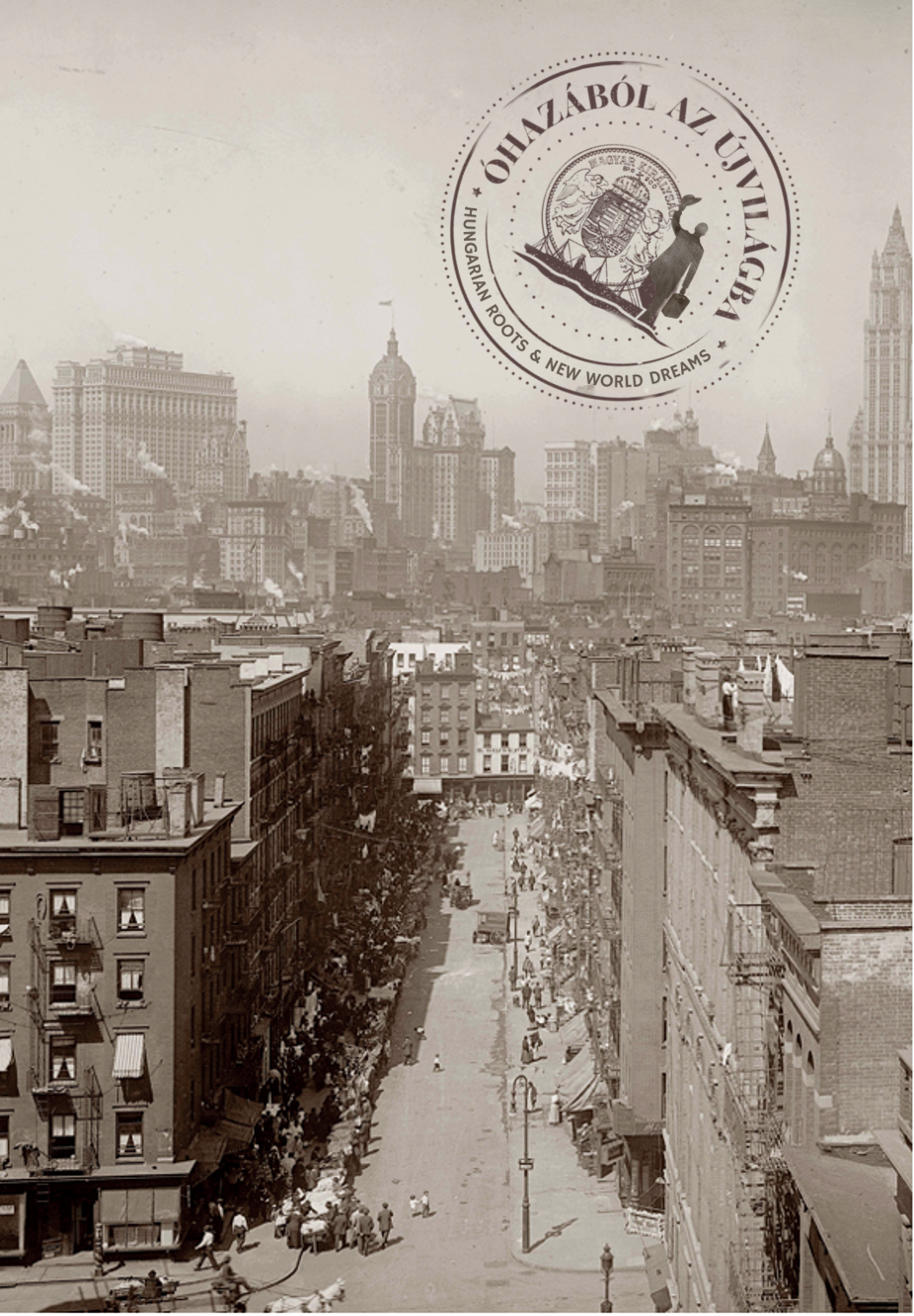
“The most important center of Hungarian immigration following the 1848-49 War of Independence was established in America’s largest port city, New York.
In the late 19th and early 20th century hundreds of Hungarian communities were established in the large coal mining region stretching across several states in Appalachia, and large Hungarian colonies were formed around factories operating in smaller industrial towns in northeastern states and in large centers such as the Hungarian neighborhoods of Cleveland, Pittsburgh, Detroit, and Chicago. “
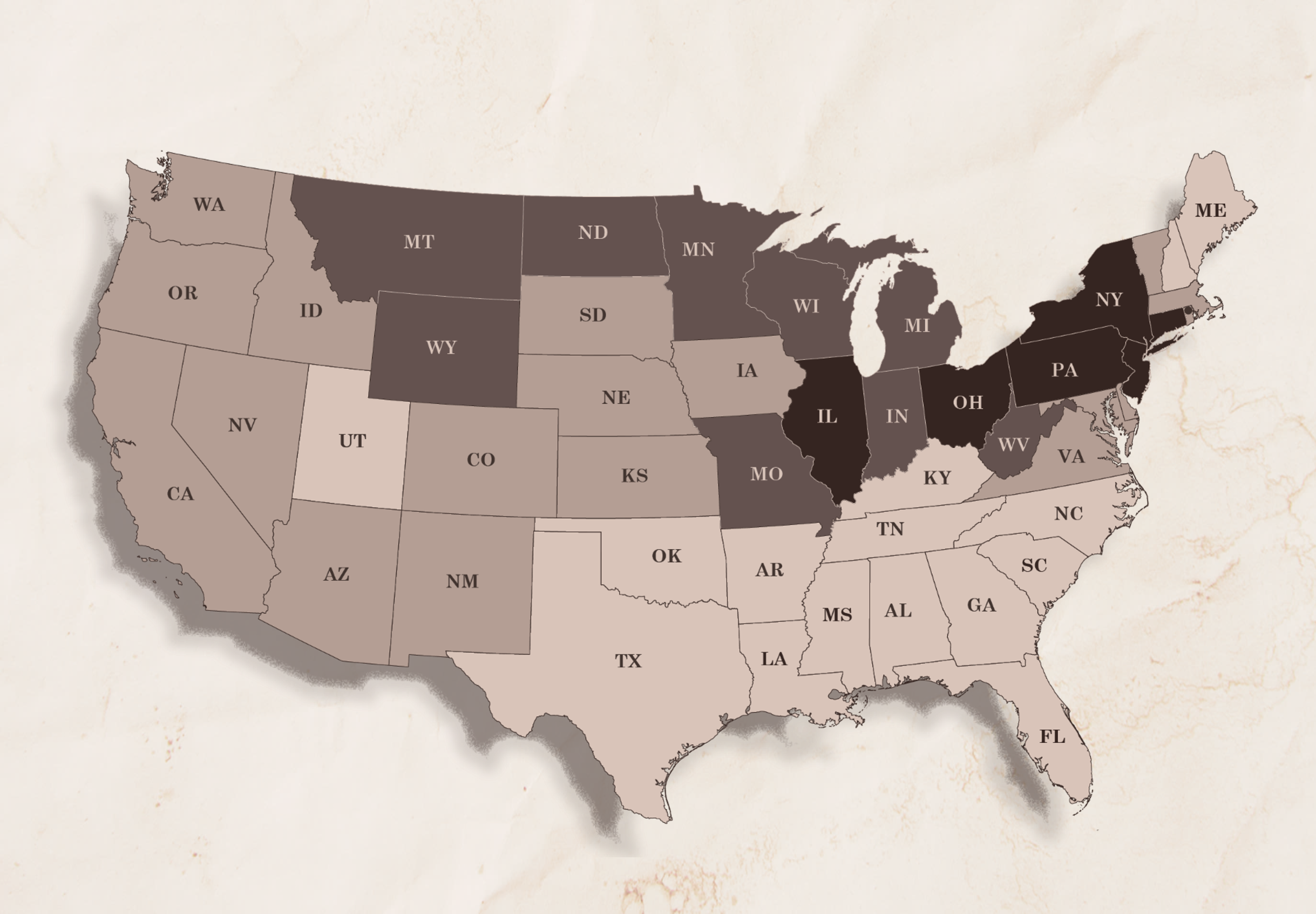
HUNGARIAN COMMUNITIES ACROSS STATES
The largest number of stories in this volume unfold in New York, New Jersey, Pennsylvania, Ohio, and Illinois — states that became enduring centers of Hungarian life in America.
It was here that emigrants arrived: industrial workers of the great turn-of-the-century wave drawn to coal mines, steel mills, and factories; displaced persons after World War II; refugees of the crushed 1956 revolution; and later arrivals seeking new beginnings. Though separated by decades, many found themselves building lives in the same cities, the same neighborhoods — and often even the same streets.
Across these states, migration was not a single moment — but a recurring chapter in a shared history.
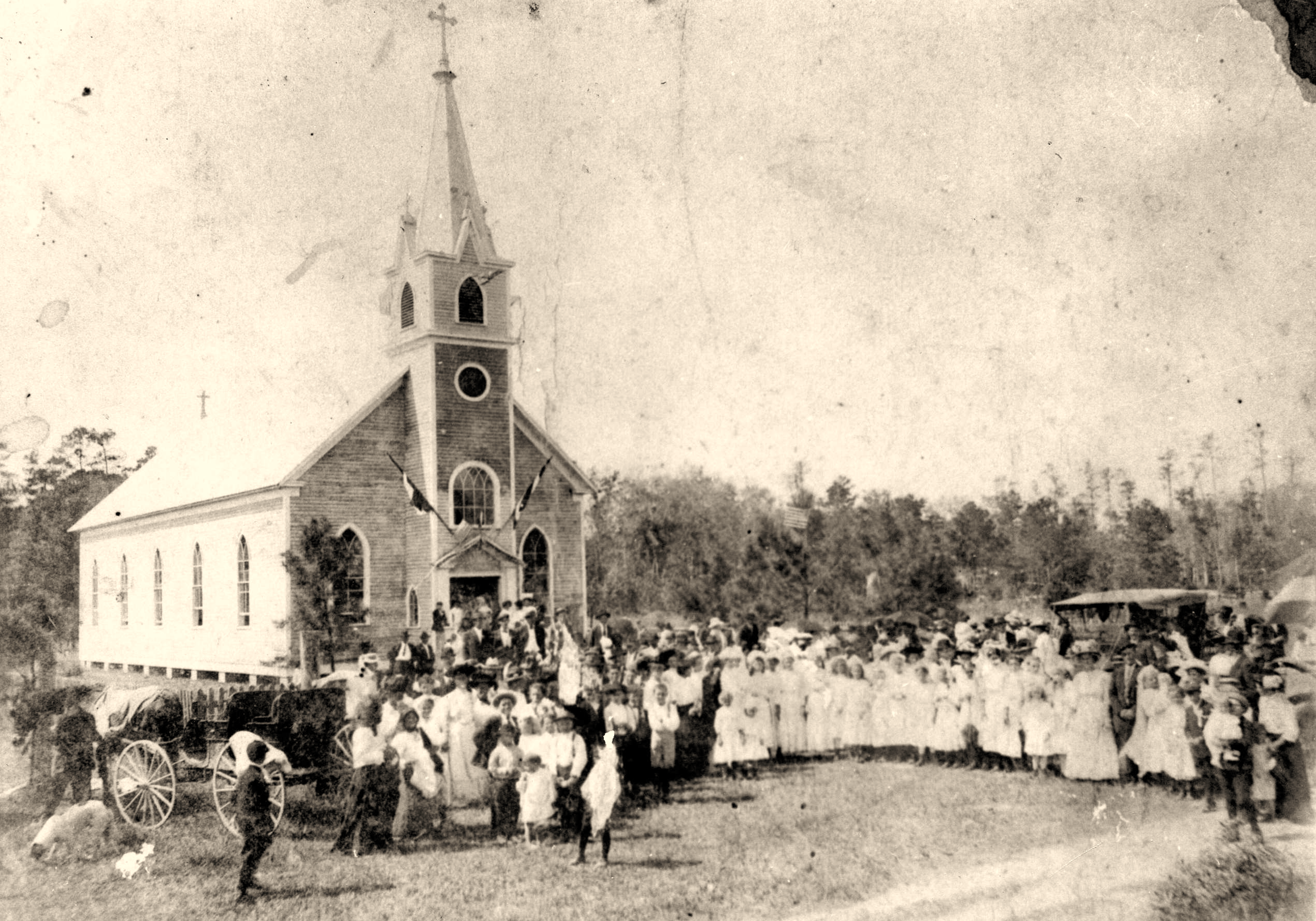
FROM SETTLEMENTS TO Today’s PRESENCE
This book invites you to step into the lived world behind the map. Meet the founders of Árpádhon, LA and Himlerville, KY. Look into a pastry shop in New York City, and discover how something as simple as ice cream made a general store in Flint, MI a success. Follow the lives of those who served in the churches of McKeesport, PA and Morgantown, WV, and the leaders who organized Chicago’s scout troops or led fraternal organization in Bridgeport, CT.
These stories move beyond arrival. They reveal how immigrants became neighbors, parishioners, shopkeepers, organizers, and community builders. Place by place, generation by generation, Hungarian life in America took shape, in decades of work, faith, belonging — and hope for the future.